
 See My Latest Article on HelloNation
Can Pipes Really Freeze in Oro Valley, AZ?
Yes, frozen pipes happen occasionally in Oro Valley, AZ, especially during rare desert cold snaps or when temperatures dip unexpectedly overnight. While the local climate is milder than northern states, dropping temperatures in winter—especially in exposed areas, older homes, or houses closer to washes and open desert—can cause plumbing problems that catch residents off guard. Understanding the risks and knowing what to do if pipes freeze can prevent property damage and costly repairs.
How Do You Know If a Pipe Is Frozen?
A clear sign is little or no water coming from faucets during very cold weather. Other common clues:
- Frost visible on exposed pipes, especially outside or in unheated garages and crawl spaces
- Unusual sounds (like banging or clanking) when turning on a faucet
- Bulging pipes or small leaks after a cold snap
If only certain fixtures are affected, the freeze is likely in a branch line serving that area. Frozen pipes often occur overnight, so check in the morning if a cold front has passed through.
What Should Residents Do First If They Suspect a Frozen Pipe?
First, turn off the main water supply to the house if you suspect a pipe is frozen but has started leaking or you hear hissing, dripping, or running water in a wall or ceiling. For non-leaking but frozen lines, leave the faucet open. Do not attempt to force faucets or shut-off valves if iced up.
Before applying heat or intervention:
- Confirm which section of pipe is frozen if you can access it safely.
- If the pipe is behind a wall or in the ceiling and you notice water damage, prioritize stopping the water at the main shutoff valve.
What Are Safe Ways to Thaw a Frozen Pipe?
Begin thawing only if you can reach the affected section and it’s not showing signs of splitting or bursting. Start closest to the faucet and work your way back toward the main line:
- Use a hair dryer, warm towels, or a portable space heater aimed at the area. Move heat slowly along the pipe, keeping it at a safe distance.
- Never use an open flame, such as a propane torch. This is extremely dangerous and can damage pipes or start fires.
- For pipes beneath sinks or in garages, kitchen cabinets or vanity doors can be opened to allow warmer air to circulate.
Patience is key—in many cases, gradual warming avoids sudden pressure changes that lead to burst pipes.
What If a Pipe Bursts While Thawing?
If a pipe bursts, immediately shut off the main water valve to the house to prevent flooding and additional damage. After water is off:
- Drain the line by opening nearby faucets.
- Mop up standing water to limit potential mold or mildew growth.
- Photograph damage and document what happened for insurance purposes.
In situations involving shared community piping or large-scale flooding, some local neighborhoods have HOA guidelines about contacting management or facilities teams for notification.
How Can You Prevent Pipes from Freezing in Oro Valley?
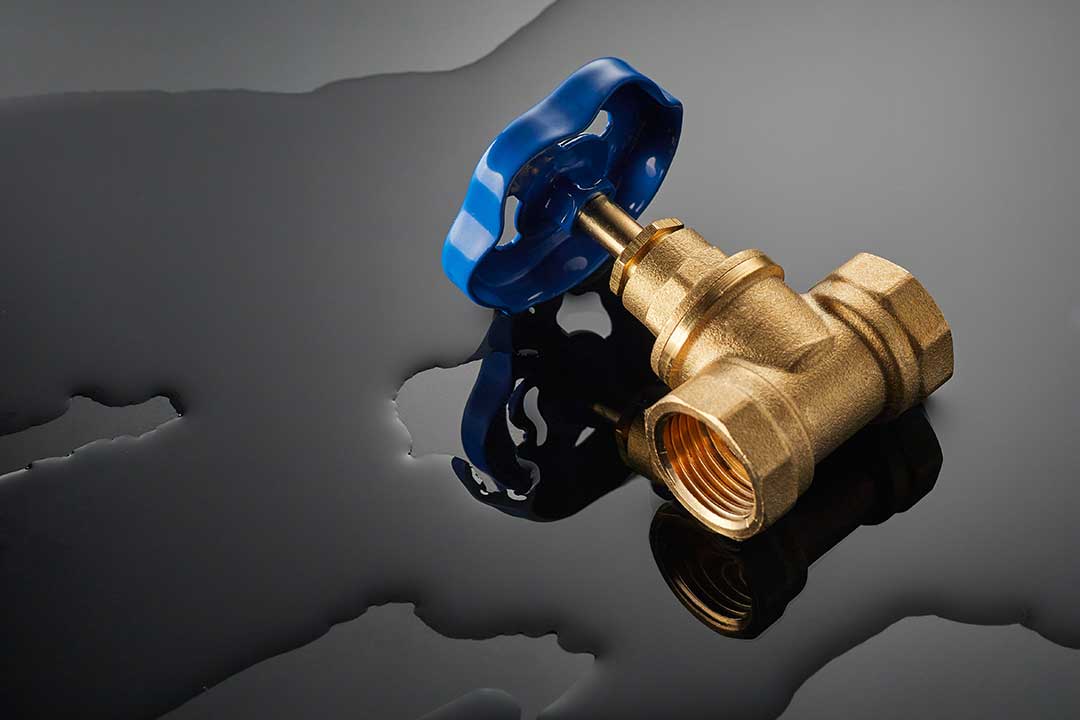
Frozen pipes are more likely in homes with exposed plumbing or vacant properties where heat isn’t maintained. Simple prevention tips include:
- Insulate outdoor hose bibs, exposed runs in garages, and attic or crawl space lines using foam sleeves or pipe wrap.
- Disconnect outdoor hoses and install covers on spigots before forecasted cold nights.
- During hard freezes, allow a slow drip from inside faucets (especially those on exterior walls).
- Keep thermostat settings consistent—even when leaving for the day or on a weekend trip.
- For vacation homes or rentals, ensure caretakers know to keep the property above 55°F during the winter.
Residents might overlook pipes in less obvious areas, such as pool houses or detached garages; these spots need attention, too.
Are There Special Risks Unique to Oro Valley Homes?
Homes in this region are often built with plumbing runs in exterior walls or attics, a design sometimes chosen for rapid construction and maximizing indoor space. Because hard freezes are rare, insulation standards for pipes may be less robust than in colder climates. Newer homes may address this, but any house with pipes in unconditioned areas or situated along exposed perimeter walls—especially with large windows or desert landscaping—faces added risk.
Additionally, fluctuating desert temperatures can create cycles where pipes warm and refreeze, putting extra stress on joints and connections.
When Is It Necessary to Seek Professional Help?
If thawing efforts don’t restore water, if sections of pipe are not accessible, or if water damage occurs in walls, floors, or ceilings, it’s time to involve someone with expertise. For homes with fire sprinkler systems, irrigation backflow devices, or complex plumbing layouts, handling repairs safely may also require outside knowledge.
Most importantly, if electrical components near the frozen pipe are wet, or if there are signs of extensive structural or mold damage, it’s critical to prioritize personal safety and avoid DIY repairs.
What Do Many Residents Overlook About Frozen Pipes?
Many area households focus on exterior hose spigots but forget about laundry lines in garages, pipes running to water softeners, or supply lines for irrigation systems. Even irrigation pipes are at risk if temperatures are cold enough for an extended period.
Another common misconception is believing pipes can’t freeze because hard frosts are rare in Oro Valley. All it takes is one night of temperatures in the low 20s°F for problems to develop in unprotected plumbing runs, especially in properties at higher elevations or near washes where cold air pools.
How Long Should Residents Monitor for Leaks After a Freeze?
After thawing, continue monitoring all accessible pipes, faucets, and under-sink cabinets for at least several days. Slow leaks sometimes begin hours or even days after the initial freeze due to hairline cracks or weakened joints. Watch for unexplained spikes in water bills and soft spots in ceilings, walls, or floors.
When in doubt, a proactive walkthrough of the house—especially in infrequently used rooms or garages—can help spot trouble before it turns serious.