
 See My Latest Article on HelloNation
What Does a Tankless Water Heater Do?
Tankless water heaters heat water on demand instead of storing it in a large tank. When a hot water tap is turned on, cold water flows through the unit where it is quickly heated by either a gas burner or electric element. This differs from traditional water heaters, which keep a reservoir of hot water throughout the day.
For households in Oro Valley, this type of system promises a steady stream of hot water without the limits of a traditional tank—but the benefits and downsides depend on several local and household factors.
What Are the Most Recognized Advantages?
Tankless units are popular for their efficiency and space-saving design, but not all benefits are immediately obvious.
- Energy Efficiency: Tankless systems only heat water when needed, which often translates into lower energy consumption, especially for homes that use moderate amounts of hot water. In a warm, sunny region like Oro Valley, where water may not need to be heated from extremely cold temperatures, efficiency gains can be more noticeable.
- Continuous Hot Water: Unlike a tank system that can run out after consecutive showers or laundry loads, tankless models provide hot water as long as the system is running and able to meet demand.
- Space Saving: Tankless models are compact and can be wall-mounted, freeing up storage space in garages or utility closets—a bonus for smaller homes or those wanting more usable square footage.
- Longevity: Tankless water heaters often last longer than traditional units. With proper maintenance, they can function well for up to 20 years, which is several years more than traditional tank systems.
- Less Risk of Leaks and Flooding: Since there’s no large tank full of water, the potential for damaging leaks or a burst tank is reduced. This can be reassuring for area residents who wish to avoid water damage cleanup.
What Are the Disadvantages or Limitations?
While attractive in many ways, tankless water heaters can come with hurdles that may not always be mentioned in product materials.
- Higher Initial Cost: Installation and equipment costs for tankless units are usually higher than those of tank models. Retrofitting in older homes can require upgrading gas lines or electrical systems, adding expense.
- Output Limitations: While tankless heaters provide unlimited hot water, they have a maximum output rate. For example, if several showers, washers, and sinks run simultaneously, the system may struggle to keep up. Local households that frequently have guests or large families may need to consider a larger—or even multiple—units.
- Inconsistent Temperature with Low Flow: Some tankless models require a minimum water flow to trigger heating. In cases where just a trickle is needed, the heater may not activate, leading to brief cold spells during tasks like washing hands.
- Maintenance Needs: Oro Valley’s water is considered moderately hard, and tankless systems can accumulate mineral scale if not properly maintained. Annual descaling or flushing is often necessary to keep these units efficient and reliable. Skipping this can shorten the system’s lifespan.
- Delayed Payback Period: Energy savings may take several years to offset the higher initial investment, especially in single- or two-person households where water use is lower.
How Well Do Tankless Water Heaters Work in Oro Valley’s Climate?
Tankless systems function efficiently in the climate found in Oro Valley, which generally means warmer incoming water temperatures. This allows such units to work more effectively than they might in regions with colder groundwater. Local homes can often use smaller-capacity tankless models and still receive adequate hot water for most needs.
However, the city's famously hard water can accelerate mineral buildup. Regular maintenance is not optional for long-term reliability. Homeowners frequently overlook this necessity, which can lead to frustration and decreased performance.
Are There Hidden Installation Considerations for Local Homes?
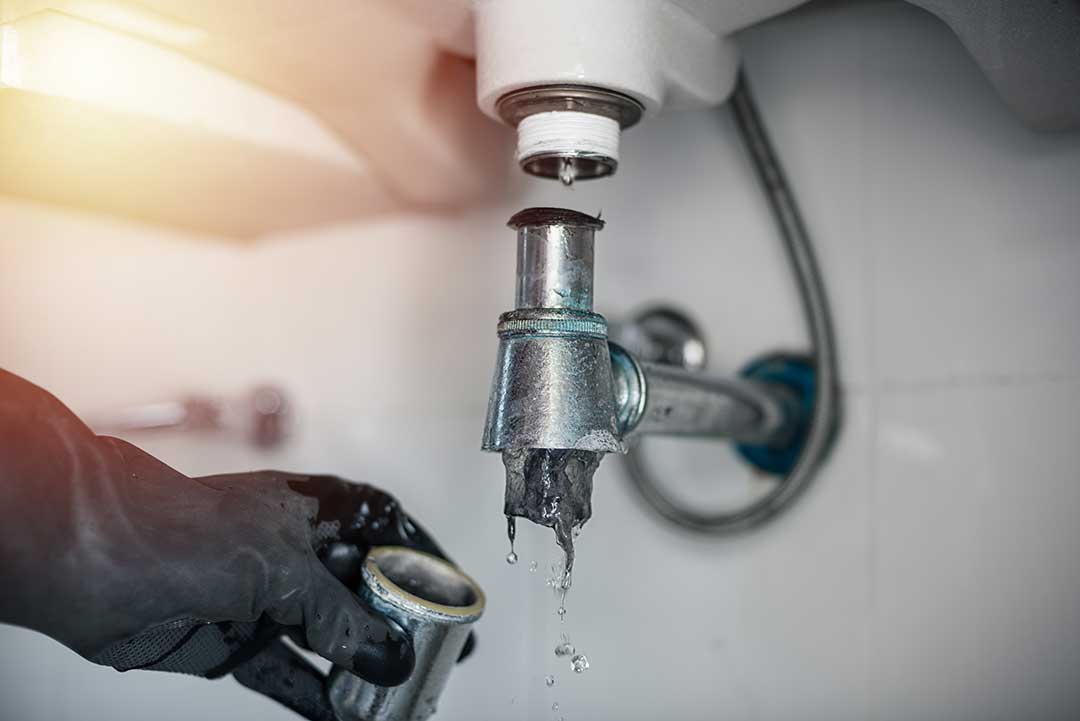
Retrofitting a tankless unit into homes not originally designed for one can be more complex than expected. Common local factors include:
- Gas Line Capacity: Many older homes have gas lines sized for traditional water heaters. Tankless models sometimes require larger gas lines to supply enough fuel for instant heating, which can increase installation costs.
- Electrical Requirements: Tankless electric models may need upgraded wiring or changes to the home’s electrical panel.
- Location and Access: Wall space, ventilation, and drainage all play roles in where a tankless unit can be installed. Condensing models produce condensate that requires drainage. In some cases, the best location may be outside—but protection from the summer sun and occasional winter freeze must be considered in Oro Valley.
Consulting code requirements and ensuring installation meets safety standards is necessary, especially for gas-burning models.
Do Tankless Water Heaters Require Special Maintenance?
Tankless water heaters need more regular attention for optimal performance than most traditional tank units.
- Descaling and Flushing: Hard water causes scale to form inside the heat exchanger, reducing efficiency or even causing damage. Most manufacturers recommend annual or semi-annual maintenance in hard water areas like Oro Valley.
- Filter Cleaning: Many tankless models have intake screens that should be cleaned regularly to prevent clogging and maintain flow.
Some newer units come with maintenance reminders, but even then, many residents underestimate the impact local water quality can have over time.
When Should Local Residents Consider (or Avoid) Going Tankless?
A tankless water heater may be a good choice for homes where hot water use is moderate, space is at a premium, or energy savings over many years are prioritized. It's also a strong match for new construction or extensive remodels, where installation costs can be rolled into larger projects.
Residents with very high simultaneous usage, or those hoping for a quick return on investment, may find traditional tanks or hybrid models more practical.
Ultimately, the best choice depends on daily usage patterns, the layout and age of the home, willingness to schedule regular maintenance, and the budget allocated for upgrades. Considering these factors based on local conditions will help area residents make a decision that balances efficiency, convenience, and cost.