

 See My Latest Article on HelloNation
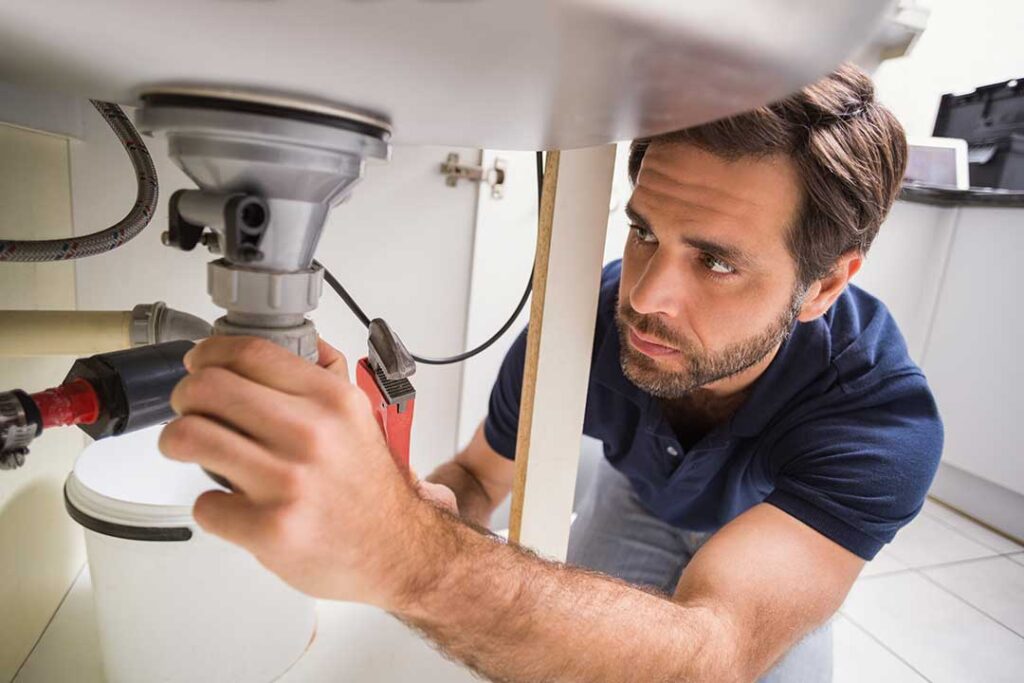
Living in Oro Valley, AZ offers the comfort of scenic desert views, vibrant community parks, and the assurance of a modern Southwestern lifestyle. However, the dry climate—and the value placed on water conservation—means that even small plumbing leaks can have a big impact on local families, both financially and environmentally. Hidden leaks, those that occur out of sight behind walls, under floors, or beneath concrete slabs, can be particularly damaging if left undetected.
Whether you’re a longtime resident or a newcomer settling into your Oro Valley property, understanding how to find and fix a hidden leak is essential. This guide provides a step-by-step process, tailored to the lifestyle and concerns of Oro Valley homeowners.
Why Hidden Leaks Are a Big Issue in Oro Valley
Oro Valley is known for its arid climate and remarkable views of the Santa Catalina mountains. With water scarcity concerns and higher utility costs, even a small, undiagnosed leak can result in:
- Increased water bills
- Damage to drywall, floors, and foundational structures
- Potential for mold growth, which is especially concerning with rapid temperature changes
- Unnecessary water wastage—critical in the Sonoran Desert region
Signs You Might Have a Hidden Water Leak
Spotting a hidden leak isn’t always easy. Watch for these telltale indicators:
- An unexplained spike in your water bill, even without increased usage
- The sound of running or dripping water when all faucets and fixtures are off
- Damp, musty odors in rooms or areas without an obvious water source
- Discoloration, bubbling, or staining on walls, ceilings, or floors
- Sudden decrease in water pressure, especially when showering or watering your xeriscape garden
Step 1: Monitor Your Water Meter
One of the most effective ways to detect a hidden leak in your Oro Valley home is by checking your water meter:
1. Turn off all water inside and outside your home, including irrigation systems (common in local landscaping).
2. Note the position of the water meter needle or digital reading.
3. Wait at least two hours without using any water.
4. Check the meter again. If the reading has changed, water is moving through your pipes—indicating a leak somewhere in the system.
Step 2: Isolate the Leak to a Specific Area
Before tearing into walls or hiring a plumber, try narrowing down the leak’s location:
- Shut off water supply valves one at a time (toilets, sinks, outdoor spigots) and recheck your meter after each shutoff.
- If the meter stops moving after isolating a particular area, your leak is likely in the section you just turned off.
Step 3: Inspect High-Risk Leak Zones
Certain parts of Oro Valley homes are more prone to leaks:
- Bathrooms: Look around toilets, showers, and vanities for subtle signs like peeling paint or persistent puddles.
- Kitchens: Check under sinks and around dishwashers for moisture.
- Utility Rooms: Inspect washing machine hoses and behind water heaters for drips.
- Outdoor Areas: With many Oro Valley homes featuring irrigation systems and pools, check for soggy spots in landscaping and unexplained standing water.
Step 4: Listen for Unusual Sounds
In the quiet of an Oro Valley evening, turn off all appliances and listen. If you hear water trickling behind walls, under floors, or near exterior walls, it’s a strong sign of a hidden leak.
Step 5: Use Technology to Your Advantage
Leak detection has advanced, and there are several tools homeowners can use:
- Moisture meters: Available at hardware stores, these devices help detect moisture within walls and floors.
- Infrared cameras: Some leaks are visible as cold spots on infrared images.
- Smart leak detectors: Integrated with your smart home setup, these sensors alert you to leaks the moment they’re detected.

Many local plumbers in Oro Valley also provide electronic leak detection services using specialized equipment.
Step 6: Fixing the Leak
Once you’ve zeroed in on the source, here’s how to proceed:
- Minor leaks (like a loose pipe fitting or dripping connection):
- Tighten connections with a wrench or replace worn washers.
- Use plumber’s tape or pipe sealant on threaded joints.
- Leaks behind drywall or under flooring:
- Shut off your home’s main water supply.
- Carefully cut away sections of drywall to access the leak. It’s wise to photograph the area for future repairs or insurance.
- Replace damaged pipe or fitting. PVC or PEX pipes are common in Oro Valley and are generally easy to work with.
- If the leak is extensive or you’re unsure, call a licensed plumber—especially since water conservation ordinances may apply.
*Drywall and flooring repairs:* Once the plumbing is fixed and allowed to dry thoroughly, patch and repaint the wall or floor as needed. Consulting a contractor familiar with the local climate can prevent future issues like mold.
Step 7: Prevent Future Hidden Leaks
Prevention is key—especially in the desert environment of Oro Valley:
- Routinely monitor your water bill and note monthly changes
- Inspect exposed pipes, irrigation systems, and appliance hoses seasonally
- Schedule annual plumbing inspections with a trusted local expert
- Upgrade older pipes if your home is more than 20 years old—especially if you notice frequent problems
Why Prompt Action Matters in Oro Valley
Water is precious in our region, and leaks can undermine your home’s value and sustainability efforts. Fast action preserves both your investment and the Oro Valley lifestyle—where every drop counts.
If you suspect a hidden leak and need professional help, local plumbers are well-versed in the construction styles and common problems of Oro Valley homes. Addressing leaks early keeps your property safe, your water bills low, and your contribution to the community’s conservation efforts strong.