
 See My Latest Article on HelloNation
Why Does a Garbage Disposal Need Regular Freshening?
Garbage disposals help manage kitchen waste efficiently, but without occasional attention, odors and buildup can develop. In the arid climate of Oro Valley, trapped food particles dry out quickly and can produce strong, lingering smells. Maintaining a fresh disposal is as much about hygiene as it is about keeping your kitchen inviting and your plumbing healthy.
What Causes Odors and Buildup in a Disposal?
Strong smells from a garbage disposal usually come from decomposing food residue or grease clinging to internal components. The warm weather most of the year in Oro Valley encourages rapid breakdown of organic matter, which makes regular upkeep even more important for local households.
- Soft foods (like melon rinds or cooked vegetables) can stick to the grinding chamber.
- Fats and oils cool and coat moving parts, then trap other debris.
- Citrus peels, while often suggested for freshening, only mask odors—they don’t remove residue.
Many residents assume running water alone will clear away fragments, but low water use (common in desert environments) can allow remnants to accumulate over time.
How Often Should a Garbage Disposal Be Cleaned?
Most area homes benefit from a basic cleaning every one to two weeks, with a deeper clean once a month. Frequency may depend on:
- How often large or fibrous items go down the disposal
- Water hardness or mineral content in the community
- The overall size and use of the household kitchen
If you notice persistent odors or slow drainage, it’s worth inspecting for clogs or buildup sooner.
What Are the Easiest Everyday Habits for Maintenance?
Simple, regular actions can make a major difference and rarely require special supplies:
- Always run cold water for 20-30 seconds before and after using the disposal. This flushes away soft debris and keeps fats solid, allowing the system to move fragments out of the drain.
- Scrape as much food as possible into compost or trash before rinsing dishes in the sink. The less organic matter entering the disposal, the less cleaning is needed.
- Avoid stringy or starchy foods (celery, potato peels, pasta), which tangle or stick inside the unit.
For local conditions where water conservation is a priority, try to combine disposal flushing with other necessary water use—such as rinsing produce—to avoid unnecessary waste.
Which Cleaning Methods Are Safe and Effective?
A few reliable cleaning practices suit the typical home in Oro Valley:
1. Ice Cubes and Salt
Grinding a handful of ice cubes, optionally coated with rock salt, helps scrub away residue from the disposal’s grinding chamber. The hard texture of ice provides gentle abrasion, and salt can help deodorize. Do not use this method for jammed or malfunctioning units.
2. Baking Soda and Vinegar
Pour 1/2 cup of baking soda into the disposal, followed by 1 cup of white vinegar. Allow the fizzing mixture to sit for 5-10 minutes, then rinse with running cold water. This reaction breaks down organic slime and neutralizes odors without harsh chemicals.
3. Citrus Peels for Freshness, Not Deep Cleaning
Small pieces of lemon or orange rind can provide a pleasant scent, but they don’t thoroughly clean or remove buildup. Use them only after a mechanical or chemical cleaning cycle.
Are There Local Factors That Impact Disposal Care?
The desert climate in Oro Valley, combined with regional water characteristics, presents a few distinctive cleaning challenges:
- Hard Water: Minerals in local water can leave scale inside the disposal; periodic vinegar rinses help dissolve deposits.
- Dry Air: Rapid evaporation can leave organic particles exposed and prone to odor. Frequent short flushes with cold water reduce this issue.
- Seasonal Heat: In summer months, consider more frequent disposal checks to control smells, especially if cooking and fresh food preparation increase.
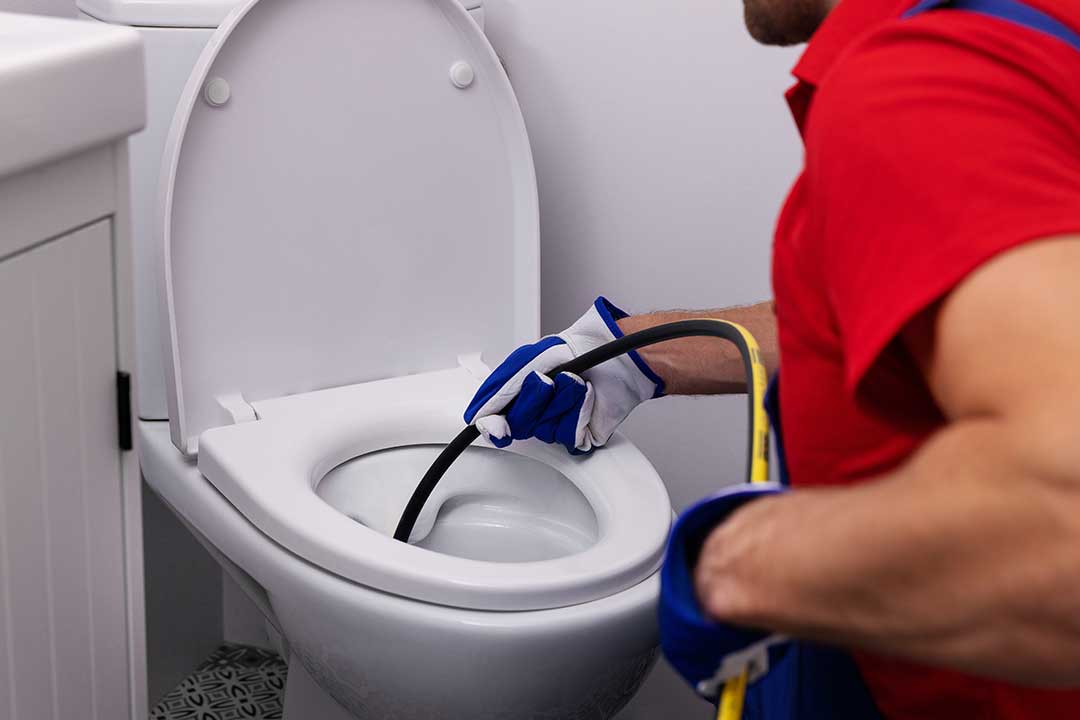
Many area homes also have newer plumbing codes requiring enhanced filtration or drainage systems, making regular cleaning beneficial for whole-home maintenance.
Can Odors Signal a Bigger Plumbing Problem?
Occasional faint smells can usually be traced to the disposal. However, in some cases, persistent or foul odors may suggest underlying issues:
- Blocked or partially clogged drain lines extending beyond the disposal itself
- A failing gasket or cracked housing letting water and particles escape under the sink
- Sewage-like smells could indicate a dry P-trap or deeper main drain problem, especially after periods of low use
Residents detecting ongoing odor issues (despite good maintenance) should check under the sink for leaks and visually inspect for slow drains. More complex blockages may require safe intervention to avoid pipe damage, but most home disposal care is within reach for local residents.
Are Store-Bought Drain Cleaners or Deodorizers Necessary?
Chemical drain cleaners should not be used in garbage disposals, as they can degrade components and do little against food buildup. Many liquid or gel deodorizers contain perfumes that temporarily mask odors but do not address the cause. Home-based methods—ice, vinegar, baking soda—are safer, more effective, and avoid unnecessary costs or residues.
What Myths or Mistakes Should Local Households Avoid?
- Using hot water during grinding: This liquefies fats, which then solidify further down the drain and cause clogs. Always use cold water.
- Overfilling the disposal: Too much food waste overloads the blades and can jam the unit.
- Ignoring the splash guard: This rubber piece often traps food fragments. Remove and clean it regularly with warm, soapy water.
- Relying on citrus rinds alone to “clean” the disposal: They freshen but do not remove grime.
What Should Oro Valley Residents Keep in Mind About Safe Disposal Operation?
Modern units are designed for daily household use, but they are not garbage cans. By combining sensible food handling, periodic deep cleaning, and quick visual inspections, local residents can avoid most smell and clog issues.
Proper disposal care helps preserve the health and efficiency of household plumbing systems—especially important in a desert environment where waste and water management go hand in hand.